Graeff, Andries De
† 30-11-1678
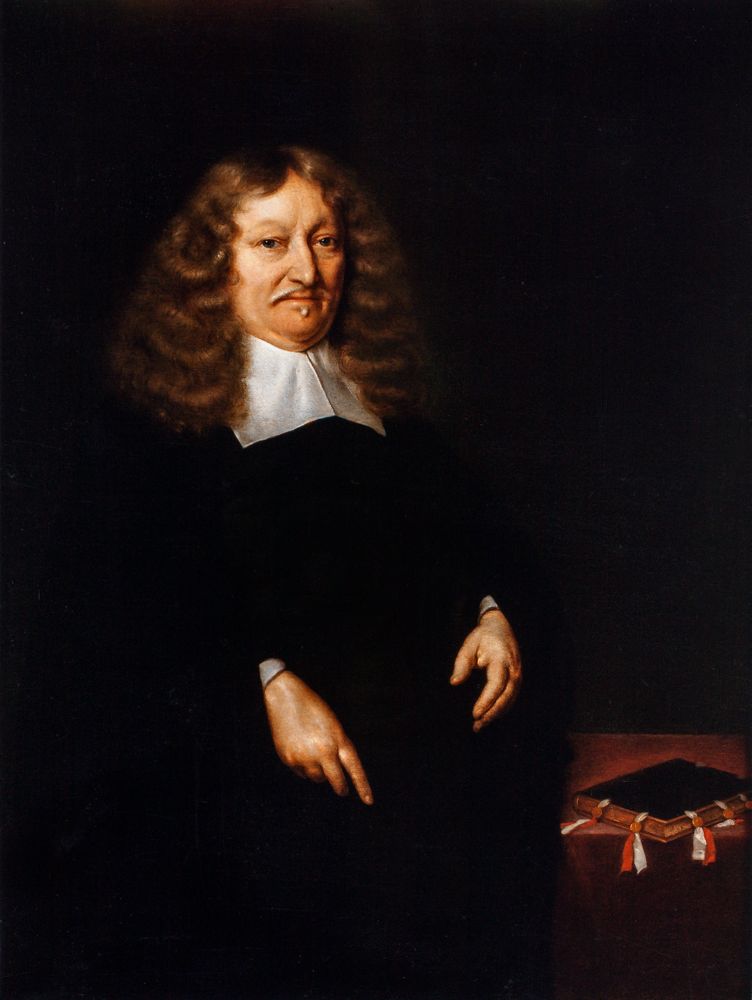


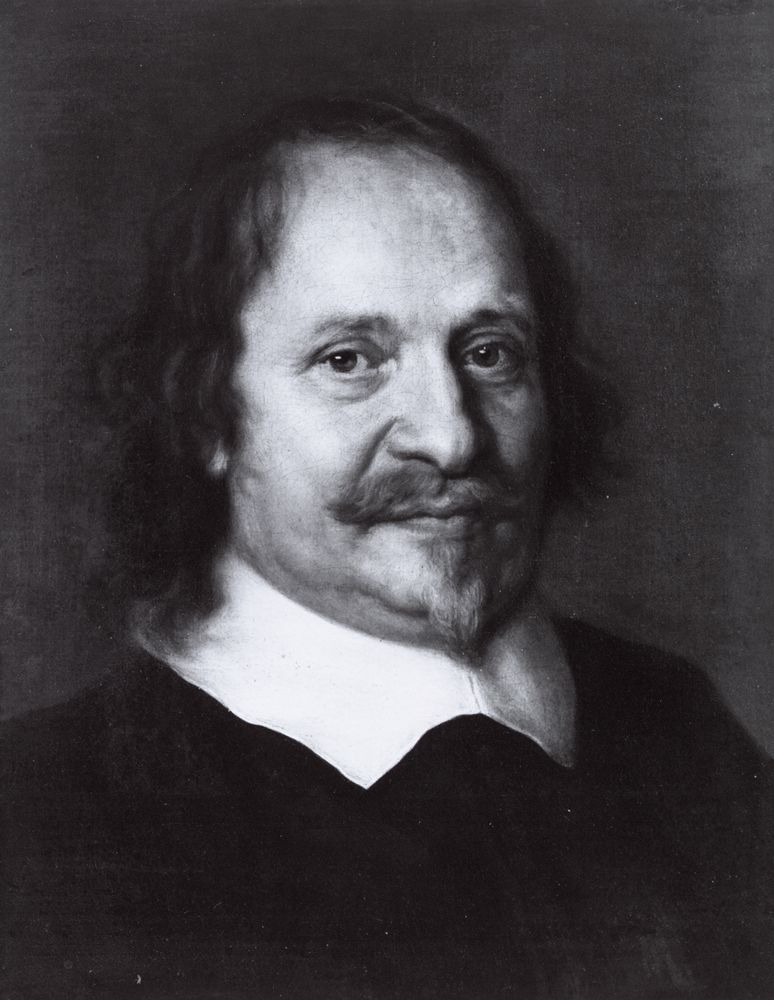

| Initials | A. |
| First name | Andries |
| Prefixes | de |
| Last name | Graeff |
| Last reported address | In de "bocht" van de Heerengracht, nu nr 466. |
| Burial notes | /05-12-1678 o./b. |
| Biography | Doopkapel nr. 1 Andries de Graeff was a regent, a member of the city council, and a seven times elected mayor of Amsterdam. The De Graeffs were a powerful family of regents who belonged to the Republican party and formed a strong opposition against the royalists (the supporters of the Orange dynasty). His family played a leading role in the Amsterdam administration between the 1650s and 1670s, when the city reached its economic and political zenith. This was also the period in which the Dutch provinces were not governed by the ‘stadhouder’, the single person associated with the house of Orange but instead enjoyed sovereignty. Andries de Graeff was not only a prominent alderman but also an illustrious patron and art collector. In his life, he surrounded himself with such artists and poets as Rembrandt van Rijn (who painted his portrait), Govaert Flinck, Artus Quellinus and Joost van den Vondel (who wrote a book about the de Graeff family). His residence at Herengracht 446 housed a large collection of art works with pieces like Jacob Blessing the Sons of Joseph by Rembrandt. Interestingly, art was also a political tool in de Graeff’s hand. His palace was decorated with pieces painted by Gerard de Lairesse which represented the family as the mighty protectors of (republican) freedom in the state - an obvious statement that rejects the Oranian rule. Moreover, de Graeff also managed diplomatic relations with England by means of art. He presented a large collection of Italian Renaissance paintings and classical sculptures to King Charles II to mark his return into power. With all the commissions and patronages, art in the Golden Age was deeply intertwined in political and diplomatic relations. |
Sources
- RKDimages (Image)
- RKDimages (Image)
- RKDimages (Image)
- RKDimages (Image)
- RKDimages (Image)
- RKDimages (Image)
- RKDimages (Image)
- RKDimages (Image)
Buried beneath this stone
Baptismal Chapel

Identifiers for references
| Oude kerk OA id | 4050 |
| Oude kerk Adlib Person priref | 3734 |
| RKDimages | https://rkd.nl/images/165117 |